This Literacy Life: fiction

Showing posts with label fiction. Show all posts

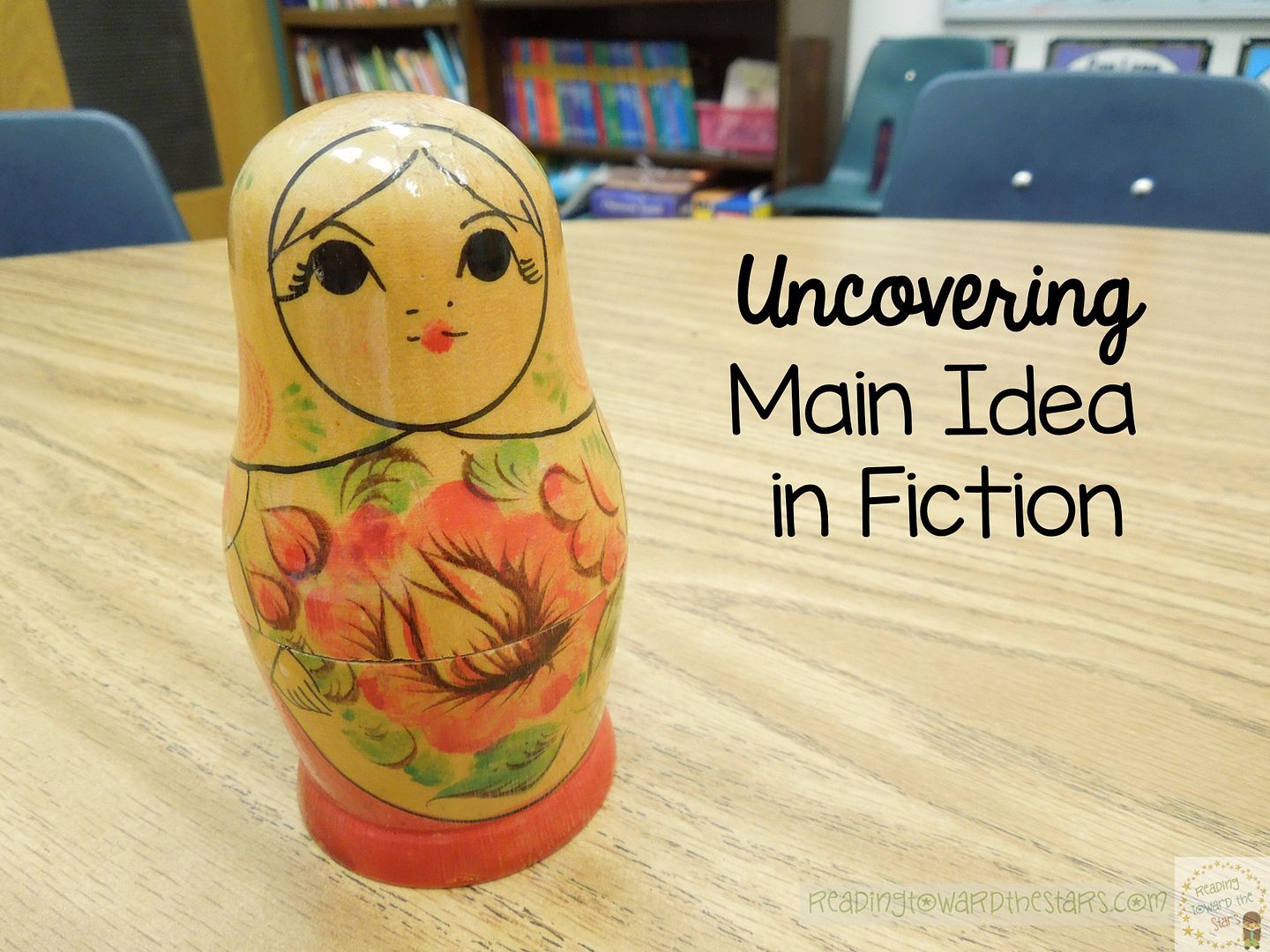
Uncovering Main Idea in Fiction


It seems so easy to focus on getting to the main idea in nonfiction.  Sometimes the title alone gives us the main idea.  But what about fiction?  We have to dig a little deeper to get to that!

I finally started working with students again now that assessments are over.  My third and fourth graders always need a little help with finding main idea in fiction.  To start off, I used several different methods to help them out.

First we took some time to take these Russian nesting dolls apart. Why?!
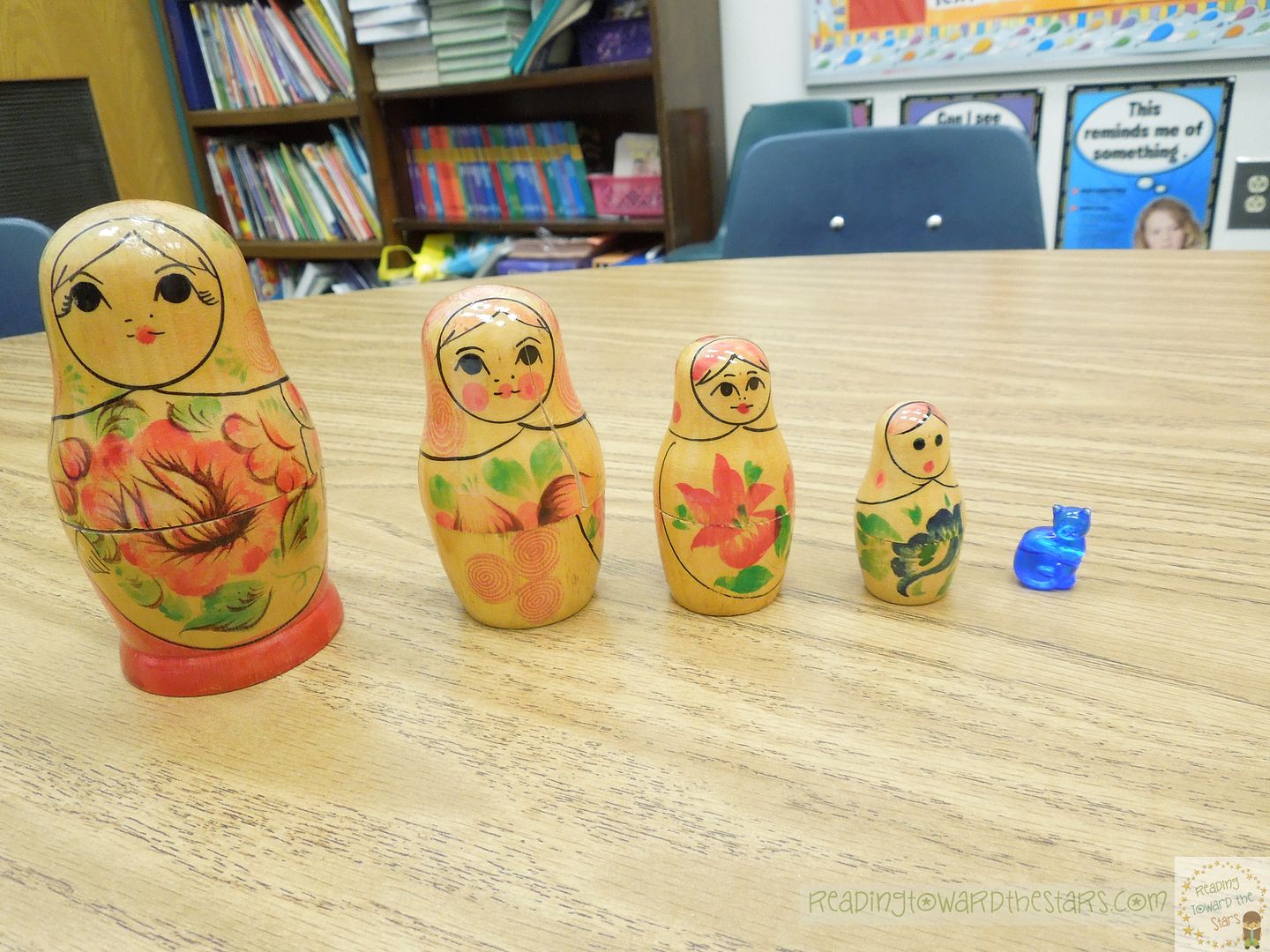
It showed the students in a concrete way how to dig deeper into main idea.  We have to think about the entire story, not just one or two sentences.  We talked about the 5 W's {Who, What, When, Where, Why, and I included How as well}.

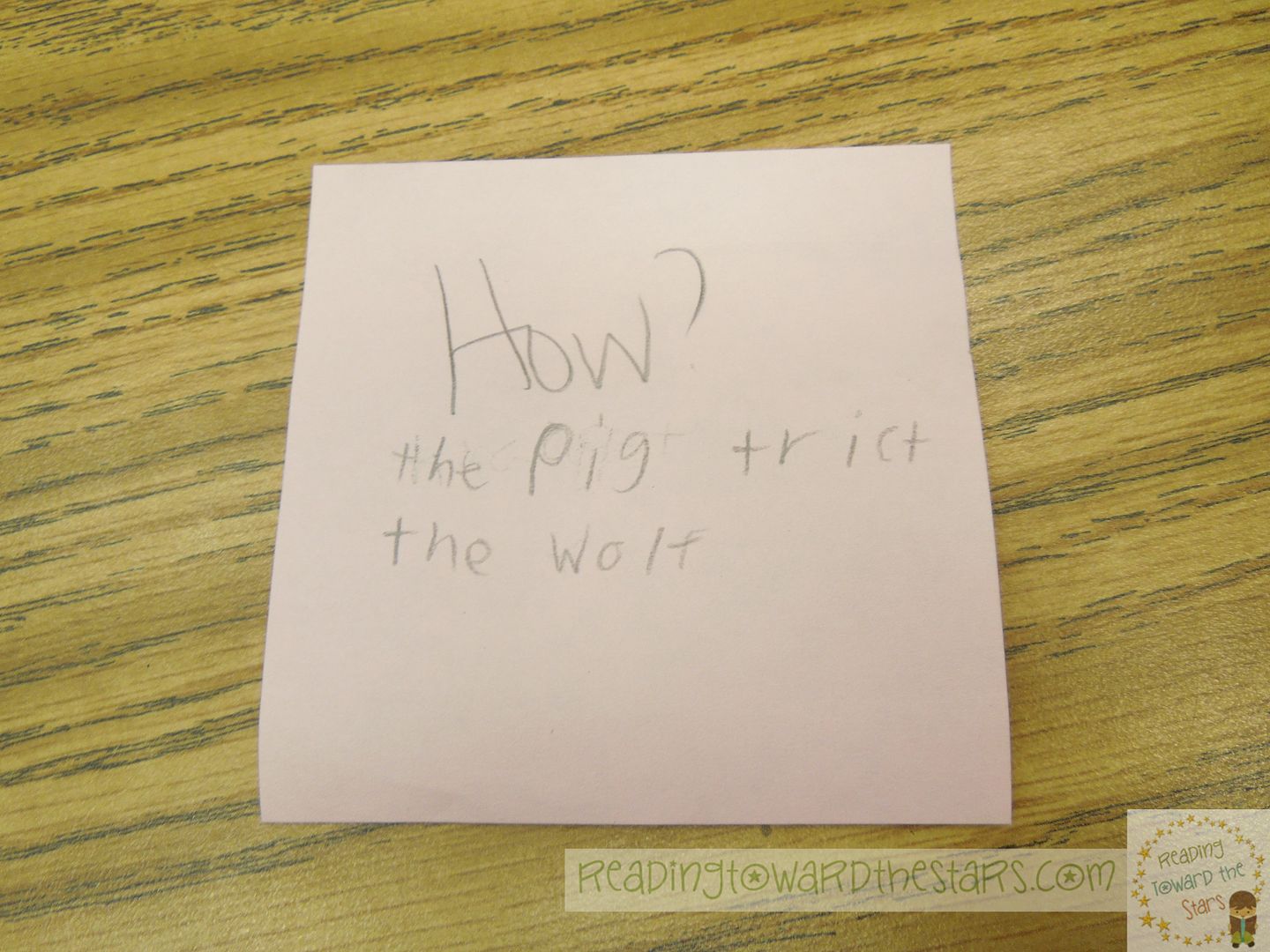
 Before reading the chosen book to the students, I gave each of them a sticky note with one of the words on it and told them to listen for their information and write it down when I finished reading the book.

I started out by reading a familiar story to the students.

I love using fairy tales to help introduce and teach comprehension skills.  They don't have to spend a lot of time thinking about the story since they already know it.  And I LoVe this version of The Three Little Pigs for so many reasons.  The best is that it is the full version of the story, not just the wolf eating the pigs or the pigs running away, but the wolf continues to try to get the third pig.

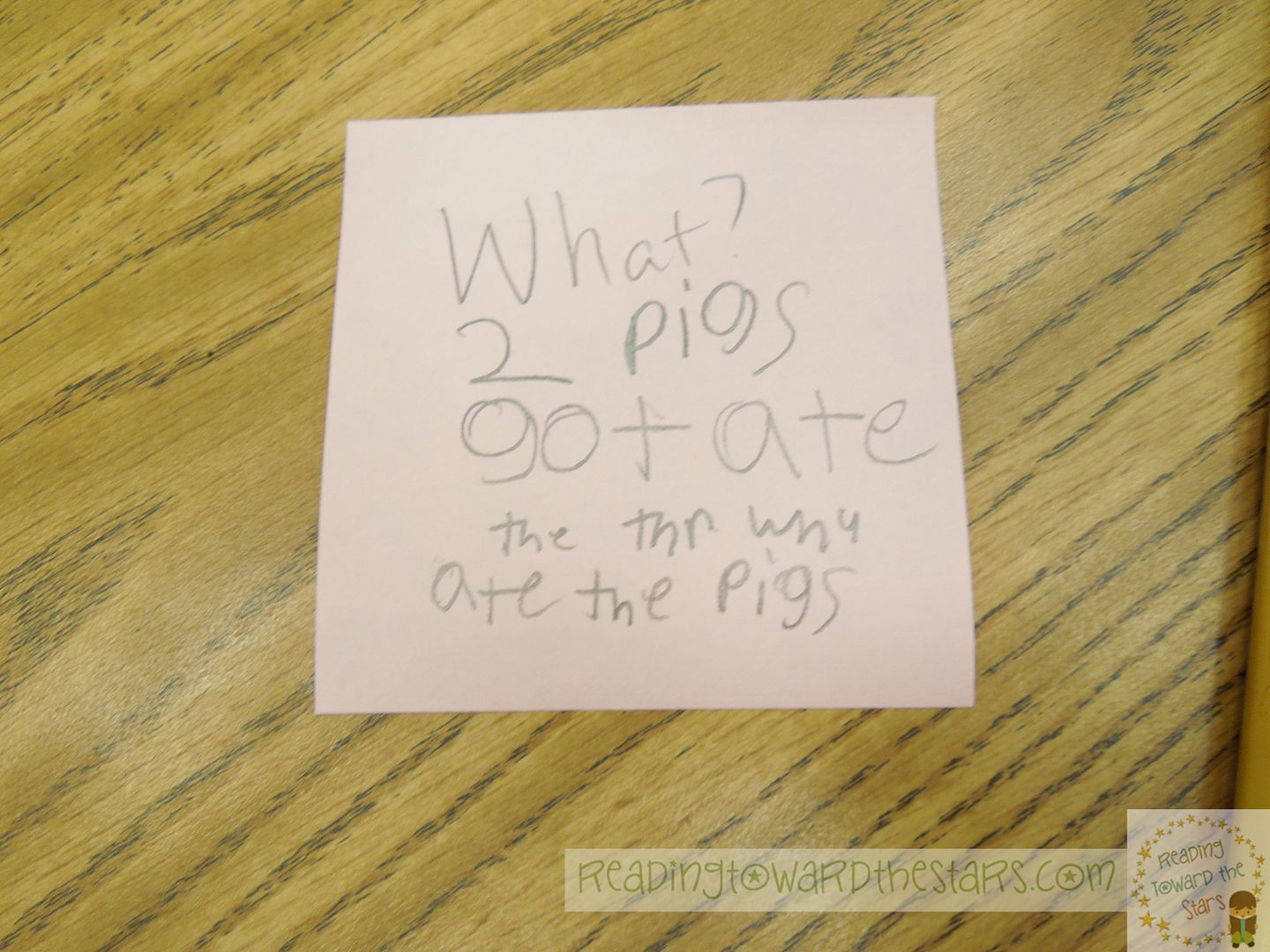
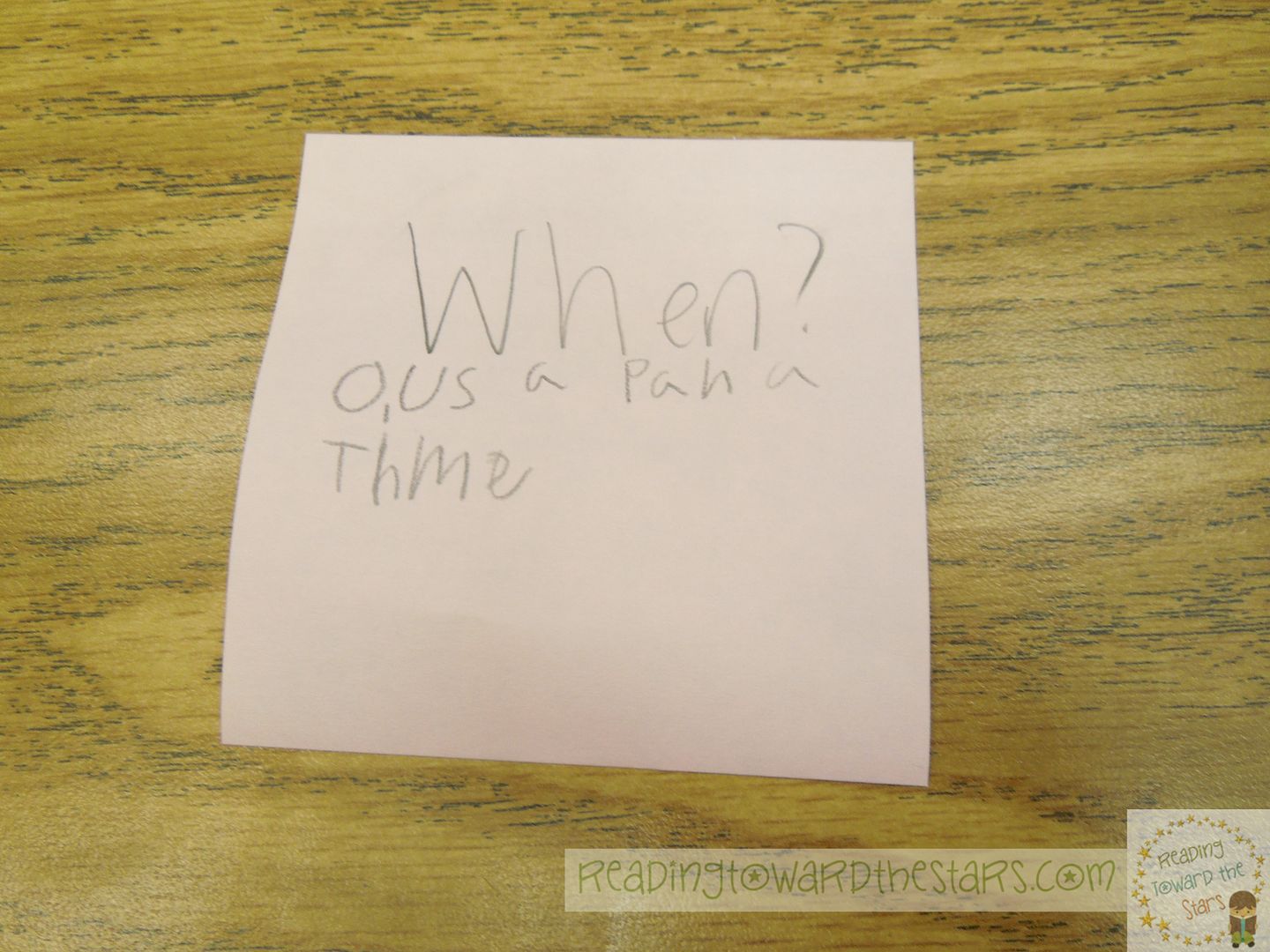
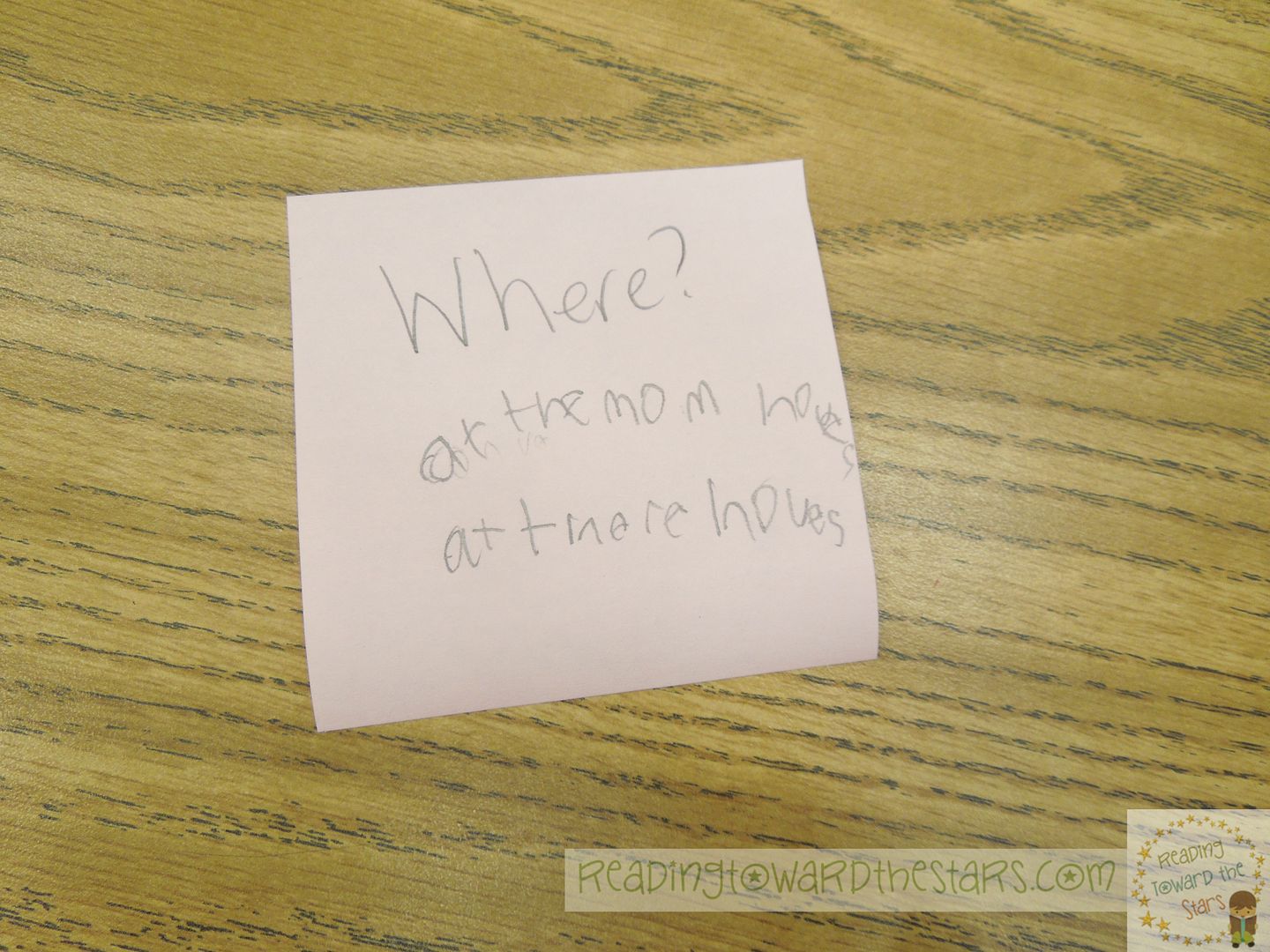
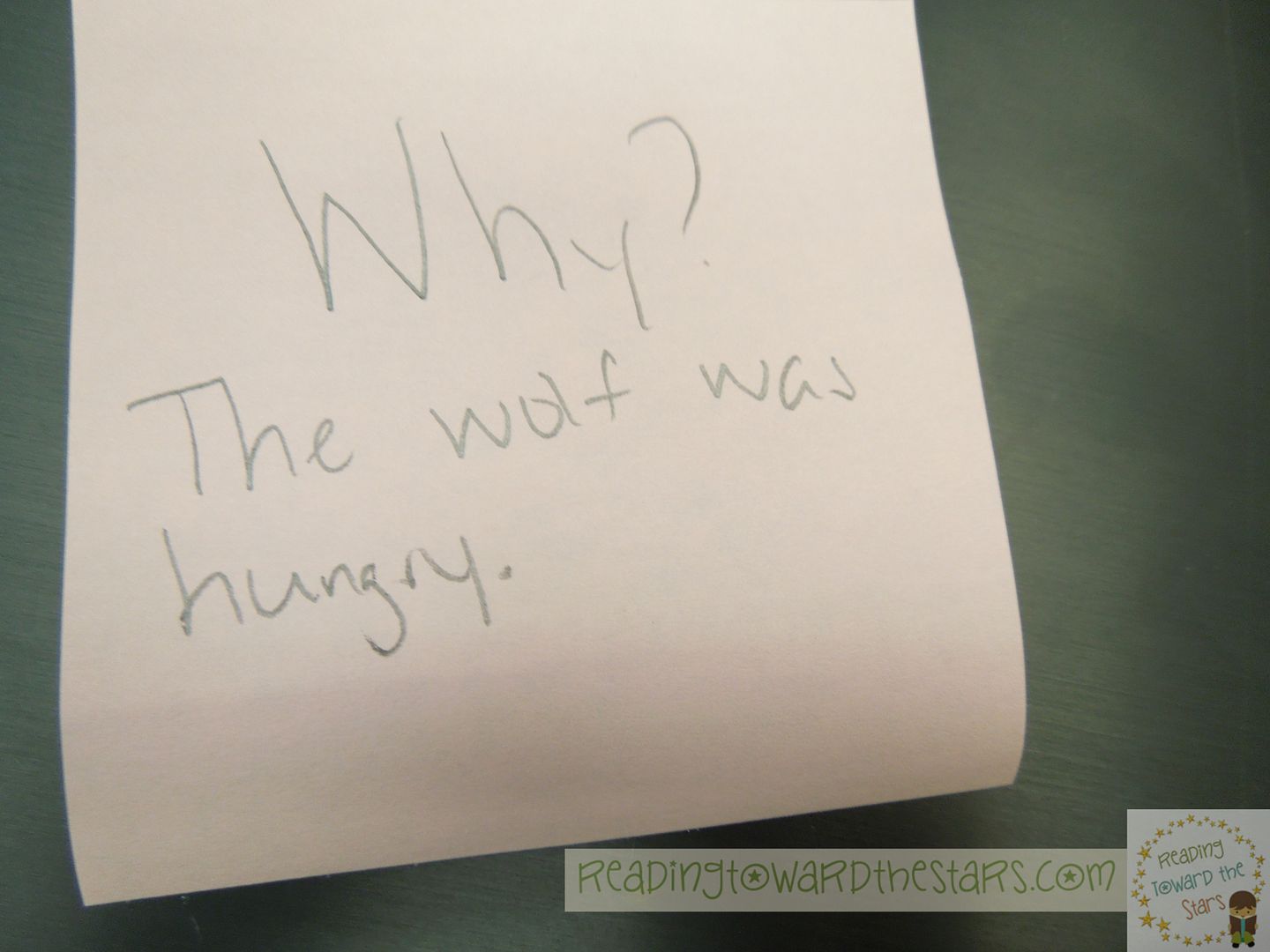
Here are the sticky notes my students wrote.  {Remember, these are struggling readers and writers.}
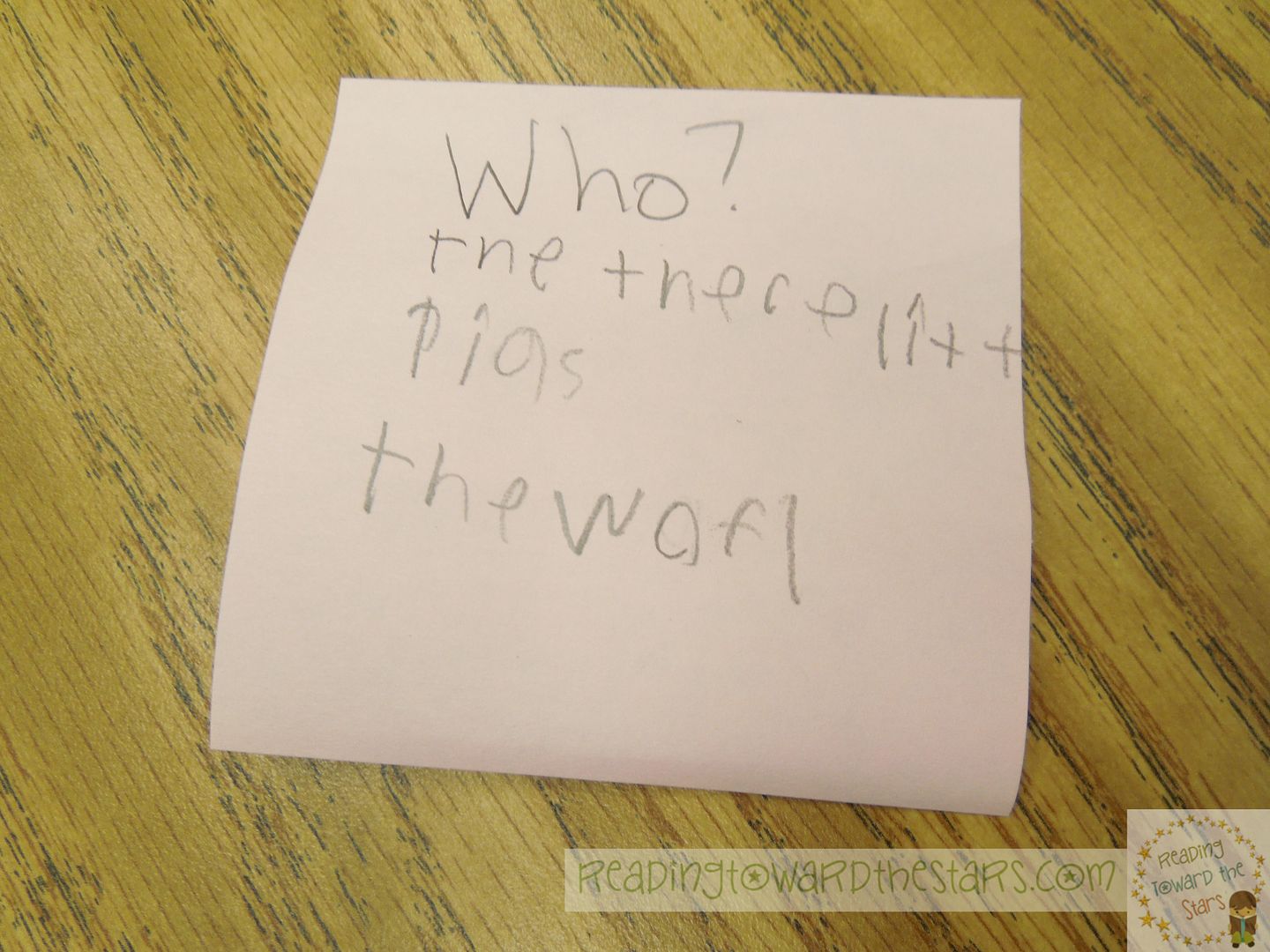


From these, we created a summary which also told the main idea of the story.  The students seemed to enjoy doing this!

Stop by on Friday to join in a fun blog hop as we share a mentor text for fall, a forever freebie, and a big giveaway!  The fun starts at 6 AM EST Friday morning!
1

Book Talk Thursday ~ Fiction and Nonfiction Pairing

Well, I am officially back for Book Talk Thursday again this week!  Last week's freak storm knocked out my power on Wednesday when I was going to write it, and then Thursday was soccer, soccer, soccer! 

I promised two books, so two books you will get!

This week, I am going to focus on how you can pair fiction with nonfiction to help with math or science lessons.  I chose two books to use when studying animals and adaptations.
and 
Both of these books are great for helping children understand size and various adaptations of animals.

I will start with The Grouchy Ladybug.
In this book a "grouchy" ladybug wants to eat the aphids all by himself and does not want to share with friendly ladybug. So, he goes from animal to animal asking if they want to fight.  Each animal gets larger, yet he still says, "You're not big enough."  Finally, after asking the big whale to fight him, he ends up right back where he began, hungry.

Not only does the book show the size of the animals, but it also shows time and adaptations.  This makes a fun book to read to young children (or even older children) to help them better understand many things about animals.  First, it shows how ladybugs help our plants by eating aphids, which destroy plants.  It also shows various animals' adaptations (stingers, stinkers, teeth, claws, etc.).  This could lead to discussion of how animals protect themselves from danger.  Plus, it also helps to tell time, something all students could use some extra help with.

Pair this book with  Biggest, Strongest, Fastest by Steve Jenkins.  Jenkins shows the animals as the world's record holders for various different categories.
I love the pictures and the insets that show that particular record and how it compares to humans.  Students will see some of the same animals in The Grouchy Ladybug and many different animals.  It goes beyond size and even focuses on being the strongest and the fastest.  I learned a lot from the book, mostly from the insets, which show how the animals compare to humans.  Children will definitely be able to identify with the animals' adaptations through the insets' pictures and explanations.

This book is also a great book to help with superlative adjectives.  Students could find out more about animals that have other qualities or even for other topics, like machines and plants.

Using both of these books together will help students gain a better understanding of animals and their various adaptations.  In the classroom, you could use these books in many different ways.  I love to use books with many purposes!

How do you pair fiction and nonfiction to help with various concepts students need to understand?
 
2